Կալիֆորնիայի ծոցը գնալով տաքանում է. Ի՞ նչ է դա նշանակում այնտեղ ապրող մարդկանց և ձկների համար:
Ընտրեք ցուցադրվող լեզուն
Հիմնական շեշտադրումներ
Վերջերս կատարված հետազոտությունը, որը կատարվել է հեռավոր կղզու Սան Խոսեում, Բաջա Կալիֆորնիա Սուրում, հայտնաբերել է տեսակների կորուստ Կալիֆորնիայի ծոցում ջերմաստիճանի բարձրացման պատճառով:
Հետազոտողները հայտնաբերել են ձկների տեսակների մինչև 40%-ով պակաս բազմազանություն Մեքսիկայի ամենաարդյունավետ շրջանի քիչ ուսումնասիրված տարածքում:
Հետազոտությունը նաև ելակետային հիմք է ստեղծել անողնաշարավորների, հատկապես ծովային խարամների ուսումնասիրության համար, որոնք առաջին անգամ գրանցվել են Սան Խոսե կղզում:
Օվկիանոսագրական մոնիտորինգի ուսումնասիրության հեղինակներն ասում են, որ ֆինանսավորումը և գիտական խնդիրների հանրային իրազեկումը ամենամեծ մարտահրավերն է տարածաշրջանի մեծությամբ երրորդ կղզու էկոհամակարգերի պահպանման համար:
Կալիֆոռնիայի ծոցն արագորեն տաքանում է, ինչը նույնիսկ ազդում է այն հեռավոր տարածքների վրա, ինչպիսիք են Իսլա Սան Խոսեն, որը գտնվում է Լա Պազ քաղաքից հյուսիս, որտեղ Բաջա Կալիֆորնիայի Սուր Ինքնավար Համալսարանի (UABCS) վերջերս կատարած ուսումնասիրությունը հայտնաբերել է ոչ միայն ջերմաստիճանի բարձրացում, այլև ձկների և անողնաշարավորների, ինչպես նաև անողնաշարավորների անողնաշարավոր տեսակների կորուստ և տեղաշարժ: խոնավ տարածքներ.
Հետազոտությունը Isla San José ծովային հետազոտական ծրագրի մի մասն է, որը համեմատում է 1999 և 2005 թվականներին փաստագրված կենսաբանական համայնքները Կալիֆորնիայի ծոցի երրորդ ամենամեծ կղզում 2024-2025 թվականներին հավաքագրված տեղեկատվության հետ, որը գործում է որպես մի տեսակ «բնական լաբորատորիա»՝ վերլուծելու կլիմայի փոփոխության և մարդկային փոքր գործունեության հետևանքները:
Կղզին մասնավոր սեփականություն է 1887 թվականից: Ժամանակին այն եղել է արհեստագործական ոսկու և աղի արդյունահանման վայր, սակայն կղզու մեծ մասը համեմատաբար անձեռնմխելի է, նրա էկոհամակարգերում քիչ փոփոխություններ կան:
UABCS-ի ծովային և ափամերձ գիտությունների ակադեմիական բաժանմունքի գիտնականների համար հետազոտության նախնական արդյունքները ցույց են տալիս էկոլոգիական վերափոխում և ձևավորում հիմք, որը կարող է օգնել կանխել ազդեցությունը ձկնորսության և Կալիֆորնիայի ծովափնյա ծոցի համայնքների վրա, որոնք կախված են դրանից: Տարածաշրջանը Մեքսիկայի ծովամթերքի և ձկնամթերքի մոտավորապես 50%-ի աղբյուրն է:
Ծրագրի կենսաբանները, ովքեր մասնակցել են մոնիտորինգին և տվյալների վերլուծությանը, բացատրում են հետազոտության արդյունքները:
40lէսսdհամալսարանականությունձկնատեսակների մեջ
Կալիֆոռնիայի ծոցում ջրի միջին ջերմաստիճանը բարձրացել է մինչև 3 աստիճան Ցելսիուսի աստիճան՝ ազդելով տարածքի արտադրողականության վրա, որտեղ ուսումնասիրությունը 40%-ով ավելի քիչ է հայտնաբերել։ վայելում էձկնատեսակների համեմատ՝ 2001-2002 թվականներին Իսլա Սան Խոսեում անցկացված վերջին մոնիտորինգի համեմատ:
Համաձայն ուսումնասիրության, որը ներառում էր 33 դաշտային մոնիտորինգի նիստեր, 2001 և 2002 թվականներին հայտնաբերված 76 սեռերից միայն 46-ն է հայտնաբերվել 2024-ից մինչև 2025 թվականը, չնայած այն հանգամանքին, որ հետազոտողները յուրաքանչյուր մոնիտորինգի նստաշրջանում հայտնաբերել են նմուշների ավելի մեծ միջին թիվը: Այլ կերպ ասած, նրանք հայտնաբերել են տեսակների ավելի մեծ քանակ, բայց ավելի քիչ բազմազանություն:
Կենսաբան Իզաբել Նելսոնը բացատրում է , որ դա ազդում է ոչ միայն Կալիֆորնիայի ծոցում ապրող տեսակների, այլ նաև առափնյա համայնքների համար, որոնք իրենց ապրուստը կախված են ձկնորսությունից:
«Տեսակների հարստությունը 40%-ով ցածր է եղել, քան 2001 թվականին հայտնաբերվել է, ինչը շատ ցնցող անկում է այն ժամանակաշրջանի համար, որի մասին մենք խոսում ենք», - ասում է նա:
Նա ավելացնում է, որ մոնիտորինգի գործողություններում ներգրավվել են նաև ձկնորսական թեժ կետերը, ինչպիսիք են Էլ Պարդիտոն և Սան Էվարիստոն: «Նրանք են, ովքեր ձկնորսություն են անում շրջակա բոլոր տարածքներում, և նրանք մեզ ասել են, որ առևտրային հետաքրքրություն ներկայացնող ձկների քանակը փոխվել է», - ասաց Նելսոնը:
Դա առանձին բացահայտում չէ. Հետազոտությունը նաև ցույց է տալիս, որ փոփոխություններ կան ժայռային ժայռերի բաղադրության մեջ՝ Կալիֆորնիայի ծոցի ընդհանուր էկոհամակարգը, որը ձևավորվել է ժայռերի տարբեր արտահոսքերից: Խութերը կարևոր են ջրիմուռների և անողնաշարավորների գաղութների համար, ինչպես նաև այլ տեսակների համար ապաստան են առաջարկում:
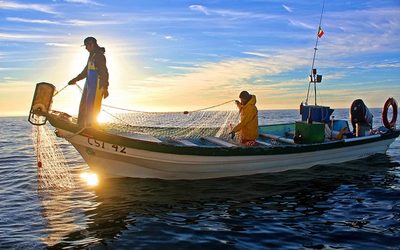
Մեքսիկայի ձկնաբուծական արտադրանքի մոտավորապես կեսը գալիս է Կալիֆորնիայի ծոցից, ինչը կարևոր է դարձնում այն և՛ տնտեսական ազդեցության, և՛ սննդի արտադրության տեսանկյունից: (Ալդո Սանտորո/Սեմարնատ)
«Ժայռային խութերը, առհասարակ, ծովային կյանքի հիմքն են և, ի վերջո, գերարդյունավետ միջավայրեր են, որտեղ շատ կենդանիներ կունենան իրենց սերունդները, կդնեն իրենց թրթուրները: Եթե այս էկոհամակարգերը առողջ չեն, մնացած ամեն ինչի հիմքը չի գործում», - զգուշացնում է կենսաբանը:
A recent study conducted on the remote Isla San José, in Baja California Sur, identified a loss of species due to rising temperatures in the Gulf of California.
Researchers detected up to 40% less diversity of fish species in a little-explored area of Mexico’s most productive region.
The research also established a baseline for the study of invertebrates, especially sea slugs, which were recorded for the first time on Isla San José.
Authors of the oceanographic monitoring study said funding and public awareness of scientific issues were the greatest challenges for conserving the ecosystems of the region’s third-largest island.
The Gulf of California is warming rapidly, a fact that is even impacting remote areas like Isla San José — located north of the city of La Paz — where a recent study by the Autonomous University of Baja California Sur (UABCS) detected not only a temperature increase, but also the loss and displacement of fish and invertebrate species, as well as the deterioration of rocky reefs and changes in wetlands.
The research is part of the Isla San José Marine Research Program, which compares biological communities documented in 1999 and 2005 with information collected between 2024 and 2025 on the third-largest island in the Gulf of California, which functions as a sort of “natural laboratory” for analyzing the effects of climate change thanks to being uninhabited and having little human activity.
The island has been privately owned since 1887. At one point, it was the site of artisanal gold and salt mining, but most of the island is relatively untouched, with few changes to its ecosystems.
For scientists from the Academic Department of Marine and Coastal Sciences at UABCS, the preliminary results of the research demonstrate an ecological transformation and form a baseline that could help prevent impacts on fishing and the coastal Gulf of California communities that depend on it. The region is the source of roughly 50% of Mexico’s seafood and fishery products.
Program biologists who participated in the monitoring and data analysis explains the research results.
40% less diversity in fish species
Average water temperatures in the Gulf of California have increased up to 3 degrees Celsius, impacting the productivity of the area, where the study detected 40% fewer genuses of fish species, compared to the last monitoring conducted on Isla San José between 2001 and 2002.
According to the study, which included 33 field monitoring sessions, of the 76 genuses detected in 2001 and 2002, only 46 were found from 2024 to 2025 — despite the fact that the researchers found a greater average number of specimens in each monitoring session. In other words, they found a higher quantity of species but less diversity.
Biologist Isabelle Nelson explains that this has implications not only for species living in the Gulf of California, but also for coastal communities who depend on fishing for their livelihood.
“Species richness was 40% lower than what had been found in 2001, a very shocking decline for the time frame we’re talking about,” she says.
She adds that fishing hotspots such as El Pardito and San Evaristo have also been involved in monitoring actions. “They’re the ones who fish in all the surrounding areas and they’ve told us that the quantity of fish of commercial interest has changed,” Nelson said.
It is not an isolated finding: The research also indicates that there are changes in the composition of rocky reefs, a common Gulf of California ecosystem formed by varied outcrops of rock. The reefs are essential for colonies of algae and invertebrates as well as offering refuge for other species.
Roughly half of Mexico’s fishery products come from the Gulf of California, making it important in terms of both economic impact and food production. (Aldo Santoro/Semarnat)
“Rocky reefs, reefs in general, are the foundation of marine life and ultimately are super productive environments where many animals will have their offspring, lay their larvae. If these ecosystems are not healthy, the base for everything else is not functioning,” the biologist warns.
The disappearance of marine species has also been studied in crustaceans like California spiny lobster (Panulirus interruptus), another commercially important species, which has recorded low catch levels due to increasingly intense and prolonged heat waves associated with the climate crisis.
Mariana Gámez, a biologist and another author of the study, points out that ocean warming in the Gulf of California affects more than temperature. It also leads to the depletion of nutrients in the water. With less dissolved oxygen available, some species are unable to adapt in their original area of distribution.
“What we are seeing with the results from Isla San José is a tropicalization of species. If normally the water was at 20 degrees, but now it’s at 23, they will leave, they will seek lower temperatures and where there are more nutrients,” she explains.
These alterations were also identified in the estuary of Bahía Amortajada, a little-studied coastal wetland, according to the investigation, which was led by José Alejandro Ramos Rodríguez, a marine science researcher at UABCS.
Invertebrates, an understudied indicator of health in natural systems
The research team also studied invertebrate species living around Isla San José. There is little previous research on invertebrates in the area, despite their importance in marine ecosystems.
Most were corals, making up 64.6% of the invertebrates found by the team, followed by worms (12.7%), sea urchins (10.6%) sea slugs (4.7%) and snails (3.5%).
Rocky reefs serve as a home to coral, algae, fish and other marine organisms. (John Turnbull CC BY-NC-SA 2.0)
The local decrease in these species was once again evident. For example, while researchers found more than 400 individuals per sampling site between 1999 and 2000, the recent study only found nine starfish, with six belonging to a single species: the crown-of-thorns starfish (Acanthaster planci).
Although the creatures have a range of adaptation for dealing with changes in their environments, Gámez maintains that there is still much to learn about the ecological imbalances that can cause these species to disappear.
Among their findings, the research team highlights the identification of sea slug species that were known to occur in the Gulf of California, but had not previously been identified on Isla San José.
For the first time, the monitoring team detected 119 specimens of eight sea slug species in the area: Elysia diomedea, Felimida norrisi, Felimare californiensis, Edmundsella bertschi, Chromolaichma sedna, Felimare agassizii, Berthellina ilisima and Rostanga pulchra.
Biologist Mariana Núñez de Cáceres-García, who was in charge of sea slug monitoring, points out the importance of this study for understanding changes in the populations of these species.
“It’s a monitoring that we just starting, taking into account oceanographic factors. That way, we can see how the abundances of sea slugs is affected by other conditions. And getting to know the composition [of different species] at the sites,” she explains.
Núñez also studied the sea floor to see whether it was composed of rocks, sand or algae and understand what conditions allow sea slugs to survive in the area, since sea slugs are known to reflect the quality of ecosystems.
“They are known to be potential bioindicators, according to various authors. If there is a greater presence of algae, there may be a greater presence of sea slugs, and if there are changes in temperature, in nutrients, this is reflected in the sea slug population, since they are more sensitive to those changes,” the biologist says.
The scientists found eight sea slug species, including Elysia diomedea, pictured. (A Tikhomirov CC BY-SA 3.0)
She noted that during monitoring there were marked differences in species that were observed at five points on the island, which measures about 30 kilometers in length. “This gives us an interesting window within the same island, where species behave differently,” she notes.
Մեկնաբանություններ